Miami is more than a city, it’s a visual language. Color pulses through its streets, cultures overlap in daily life, and identity is constantly in motion. That restless energy is exactly why Miami has become one of the most exciting centers for contemporary figurative artists in the world. Here, the human form isn’t just painted; it’s questioned, celebrated, fragmented, and reborn.
From independent Miami art studios to global fairs like Art Basel, the city has evolved into a powerful ecosystem for artists who explore human figures in art, blending tradition with innovation. And at the center of this movement is a growing wave of creators redefining modern figurative art, artists like Noel, whose work reflects both the soul of the city and the broader evolution of figurative fine art.
So what, exactly, makes Miami such fertile ground for this artistic renaissance?
A City Built on Cultural Fusion
Miami’s greatest artistic asset is its diversity. Latin American, Caribbean, European, and North American influences coexist not as separate identities, but as a living, breathing blend. This fusion naturally lends itself to figurative fine art, where questions of identity, heritage, gender, and emotion take center stage.
For Miami contemporary artists, the human figure becomes a universal language, one that can communicate across cultures without translation. This is why contemporary figurative art in Miami often feels deeply emotional and globally relevant at the same time. Faces carry history. Bodies express migration, resilience, desire, and transformation.
Artists aren’t painting abstract concepts here, they’re painting lived experiences.
A sustainable hub requires a pipeline of new talent. Miami benefits from the prestigious New World School of the Arts (NWSA), a public magnet school and college that has consistently produced a new generation of technically skilled and conceptually daring artists.
The Miami Art Scene Encourages Risk
Unlike more rigid art capitals, the Miami art scene thrives on experimentation. There’s room to push boundaries, reinterpret classical techniques, and challenge expectations without being boxed into a single aesthetic.
This openness is especially important for artists working in modern figurative painting. Figurative art has historically been tied to tradition, but Miami gives artists permission to disrupt that tradition, through exaggerated proportions, expressive distortion, layered symbolism, or bold color fields.
Painters like Noel exemplify this balance. His work honors the discipline of classical figure drawing while embracing abstraction and emotional intensity. The result is figurative work that feels contemporary, alive, and unmistakably Miami.
Why Figurative Art Thrives Here
The human figure has always been central to art history, but in Miami, it’s experiencing a modern resurgence. Human figures in art resonate strongly in a city shaped by movement, of people, cultures, and ideas.
Miami-based artists often use the figure to explore:
- Identity in a multicultural world
- Emotional vulnerability and strength
- Femininity and masculinity in flux
- Personal and collective memory
This is why woman figure art plays such a prominent role in the city’s galleries and studios. Female figures are portrayed not as passive subjects, but as symbols of power, introspection, and autonomy, often layered with psychological and emotional depth.
The Role of Miami Art Studios
Behind every successful movement is a space where ideas can breathe. Miami’s growing network of Miami art studios, from Wynwood to Little Haiti, provides artists with both physical space and creative freedom.
These studios act as laboratories for modern figurative art, where painters experiment with materials, scale, and narrative. Many famous Miami artists began in small, independent studios before gaining national and international recognition.
The studio culture here encourages collaboration rather than isolation. Artists exchange ideas, critique each other’s work, and draw inspiration from the city itself, its architecture, its people, and its contradictions.
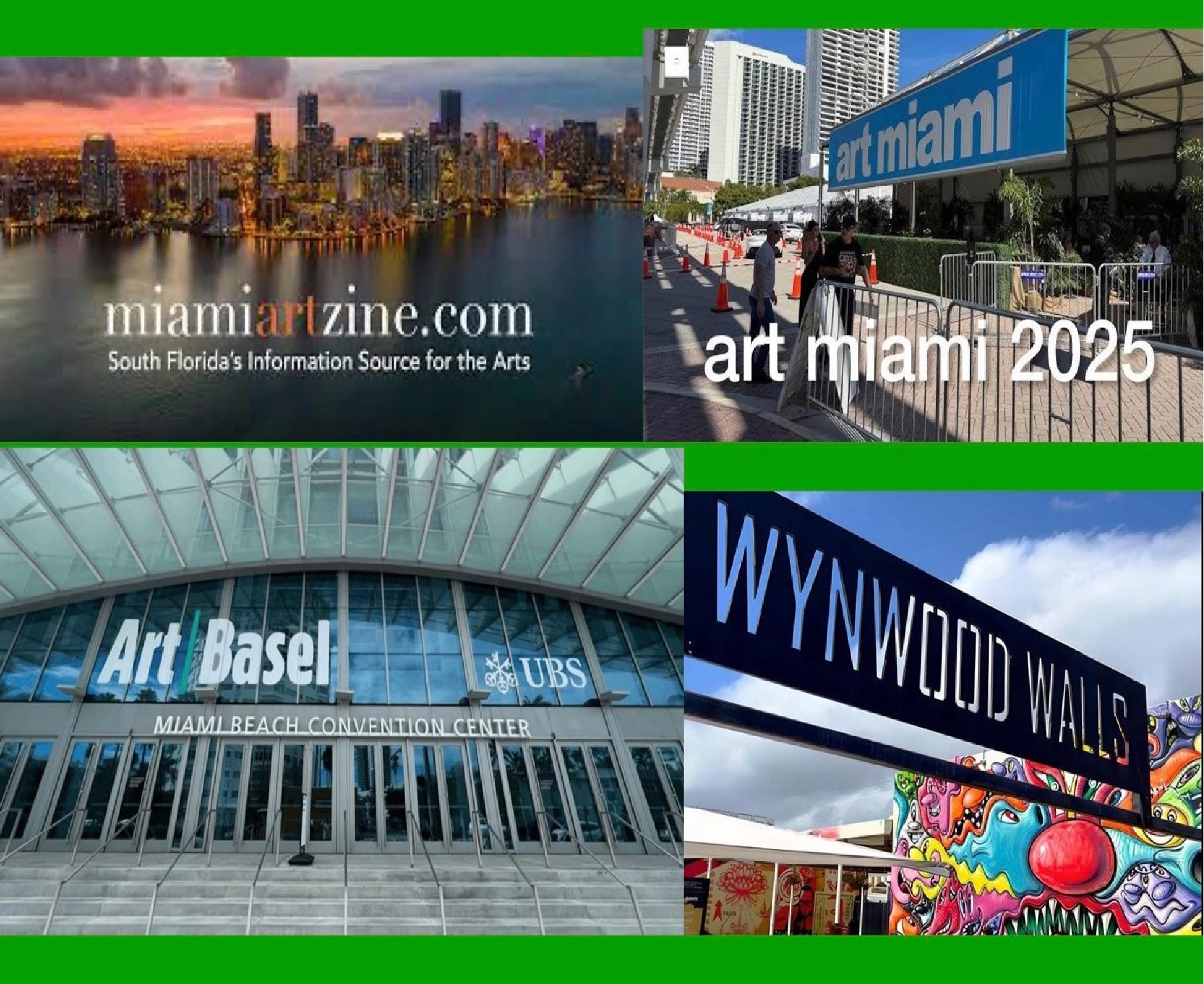
The scene thrives in specific, organically developed neighborhoods that offer affordable studio space and a critical mass of creative energy. The Wynwood Arts District, born from the world-famous Wynwood Walls, and the Little River/Little Haiti areas are now synonymous with artist studios, galleries, and project spaces. After being a South Beach pioneer Artist since 1987 with his Lincoln Road gallery/studio, Noel moved in 2001to Miami’s MiMo and Design District area becoming a pioneer artist of this area as well, adding to the energy that later evolved on to the above to mentioned Art Districts.
These neighborhoods are not just places to live; they are immersive environments where artists collaborate, critique, and draw inspiration from one another’s work. For the latest on gallery openings, studio tours, and local artist profiles, Miami New Times Arts is an essential local resource.
Famous Miami Artists and Global Recognition
Miami’s rise as an art hub isn’t accidental, it’s earned. Over the years, the city has produced and attracted famous Miami artists whose work now appears in international galleries, private collections, and major art fairs.
What sets these artists apart is their ability to tell personal stories through universally recognizable forms. In modern figurative painting, the figure becomes a bridge between the artist’s inner world and the viewer’s experience.
Artists like Noel stand out because their work doesn’t chase trends. Instead, it builds a recognizable visual language, one rooted in emotion, technique, and authenticity. That consistency is what transforms local recognition into global impact.
Miami as a Gateway, Not a Bubble
Another reason Miami thrives is its role as a gateway city. It connects North and South America, tradition and innovation, fine art and contemporary culture. This positioning gives contemporary figurative artists access to a broader audience without diluting their artistic voice.
Collectors, curators, and critics from around the world come to Miami expecting boldness, and they’re rarely disappointed. Contemporary figurative art in Miami is known for its intensity, color, and emotional honesty.
The city doesn’t ask artists to conform. It asks them to be real.
Modern Figurative Art with Emotional Weight
What truly defines Miami’s figurative movement is emotional presence. These aren’t decorative figures. They confront the viewer. They ask questions. They linger in memory.
In figurative fine art, especially within Miami’s ecosystem, technique serves emotion, not the other way around. Brushstrokes are visible. Imperfections are intentional. Abstraction enhances meaning rather than obscuring it.
This approach resonates strongly with modern collectors who value storytelling as much as skill.
Why Miami Will Continue to Lead
Miami’s success as a hub for contemporary figurative artists isn’t a trend; it’s a trajectory. The city continues to attract creators who want freedom, visibility, and cultural relevance. As long as Miami remains open to experimentation and diversity, its figurative art scene will keep evolving.
Artists who ground their work in the human experience, like Noel, will continue to thrive here, pushing modern figurative art into new emotional and conceptual territory. Miami doesn’t just showcase figurative art.
It challenges it.
And then it lets it grow.
From intimate studios to global stages, Miami is where modern figurative art finds its voice, and artists like Noel turn the human form into a lasting visual legacy.